Compare three 3D pen formats by material support, controls, size, and power setup to plan a focused educational toy assortment.
Not every 3D drawing pen creates the same user experience. For importers and educational toy distributors, differences in body size, filament compatibility, controls, and display functions can help define distinct positions for schools, hobby users, seasonal gifts, and creative activity programs.
Compare the Core Drawing Formats
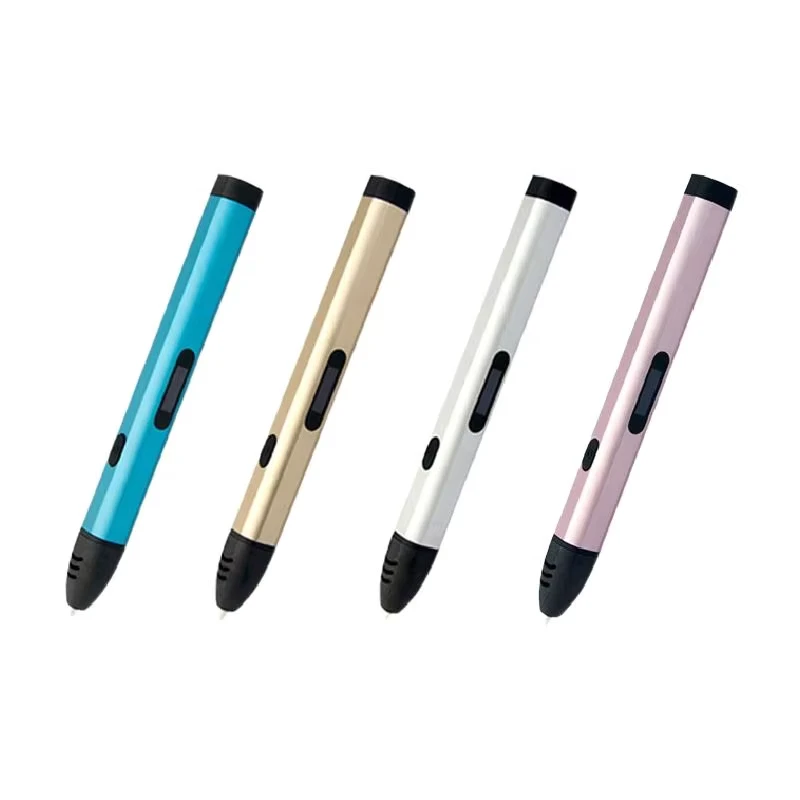
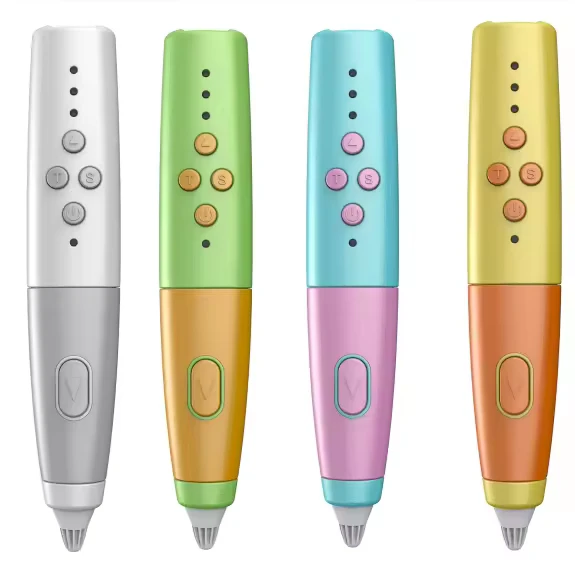
The automatic 3D pen supports PLA and ABS materials with a stated 0.75 mm writing width. Its 170 x 30 x 20 mm plastic body and 5V/2A input provide a straightforward format for three-dimensional painting. This option may suit buyers seeking a substantial pen design for general creative toy assortments.
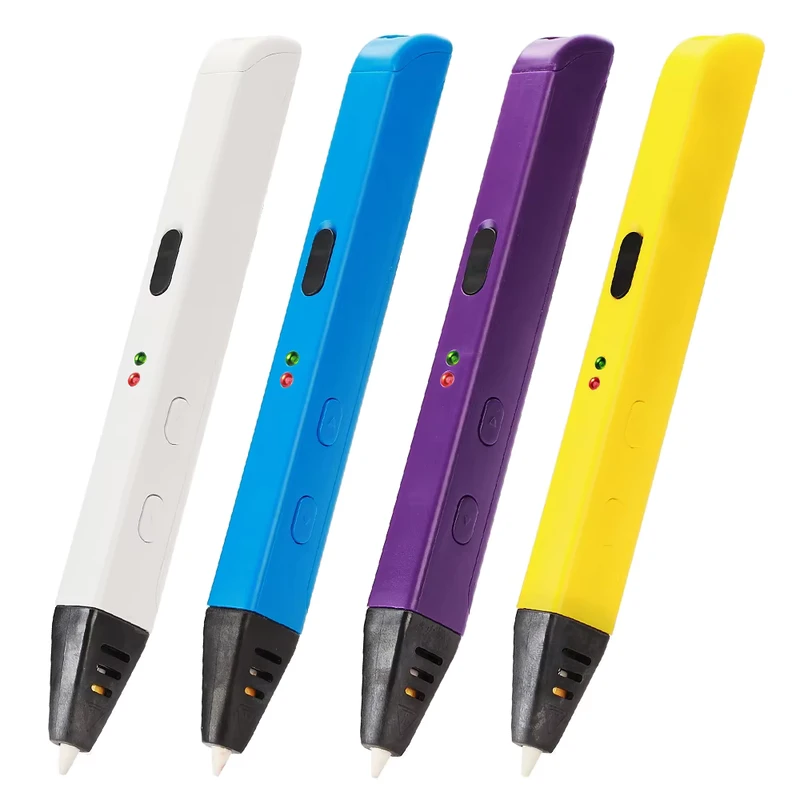
For a slimmer alternative, the fourth-generation pen measures 175 x 17 x 20 mm and weighs approximately 45.4 g. It uses 1.75 mm ABS or PLA filament and features a 0.6 mm ceramic nozzle. The semi-automatic design and multicolor positioning make it relevant for school supplies, craft activities, and gift-focused promotions.
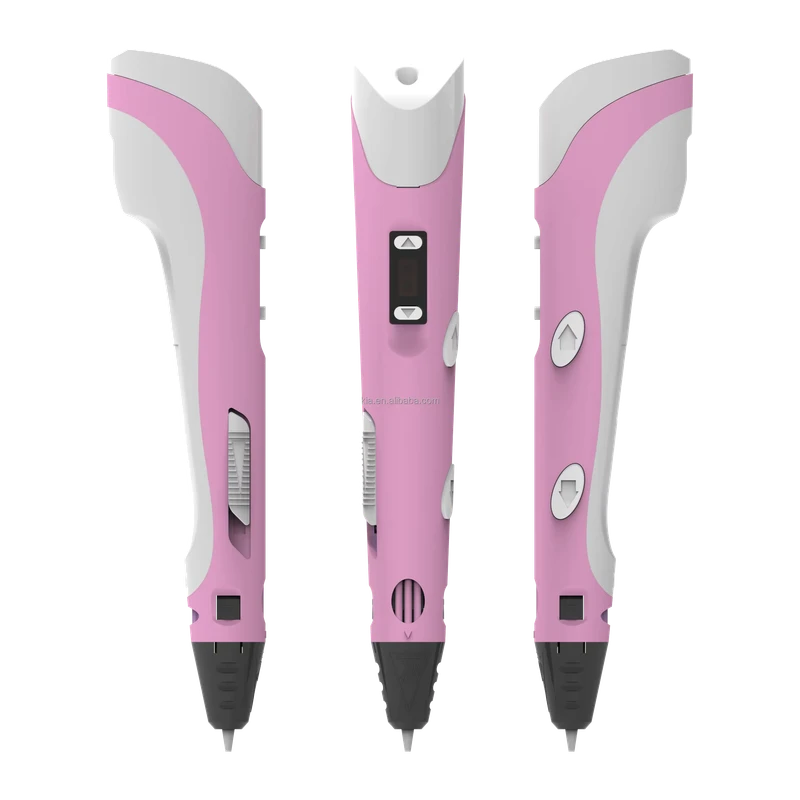
Add More Visible Control
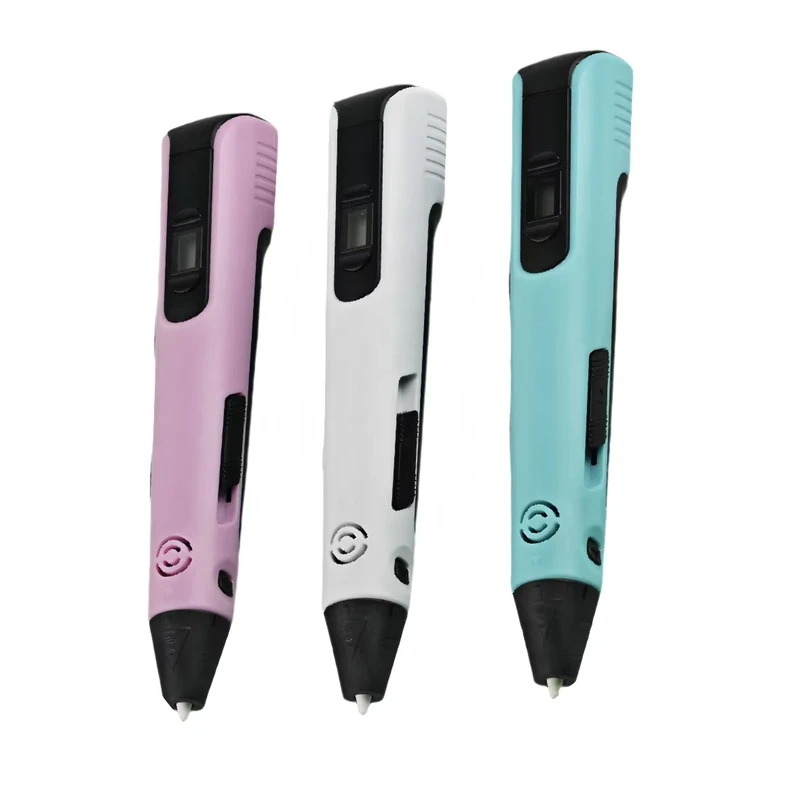
The LCD 3D pen offers support for PLA, ABS, and PETG, extending material choice for more varied programs. Its screen displays temperature information, while the Micro USB interface and power-bank support add practical flexibility. The pen measures 184 x 31.5 x 46 mm, weighs 65 g, and has a stated 0.7 mm writing width.
Together, these models allow buyers to segment a 3D pen collection by shape, control level, material range, and user preference rather than relying on one universal design. Importers can request details about packaging, filament bundles, branding options, compliance documentation, and order quantities to develop an offer suited to their market.